
The Work Behind the Pop-Up
- Eutierria Essence
- Feb 17
- 7 min read

Every now and then a comment appears, that crafting isn’t “real work,” or that pop-ups aren’t real jobs.
Most of the time we don’t respond. Not because it doesn’t matter, but because most visitors already understand. They feel the care in the items, talk with the people behind the tables, and sense the human presence behind what they’re holding. That connection explains more than a debate ever could.
But as the comments have become more common, it feels worth sharing what exists beyond the few minutes someone experiences at a booth. Because what you see at a market is truly just a part of it.

Before a Product Exists
A product doesn’t begin the morning of an event. It begins long before it ever exists in physical form.
For many vendors it starts with learning; understanding materials, practicing techniques, and discovering what works and what doesn’t. Soap makers study measurements and curing. Fiber artists test fabrics and dyes. Woodworkers learn grain and finish behavior. Jewelers test durability and wear. Candle makers experiment with wax, fragrance, and temperature. Bakers refine recipes. Painters learn surfaces. Every craft carries its own quiet apprenticeship.
Then come materials; sourced, compared, reordered, sometimes replaced entirely. A small change in oil, wax, pigment, fabric, clay, or stone can change the entire outcome. So testing happens. Often repeatedly: measuring, mixing, pouring, sanding, wrapping, stitching, dyeing, polishing, curing, shaping. Batches fail. Pieces break. Colors shift. Items that don’t meet standards never make it to the table.
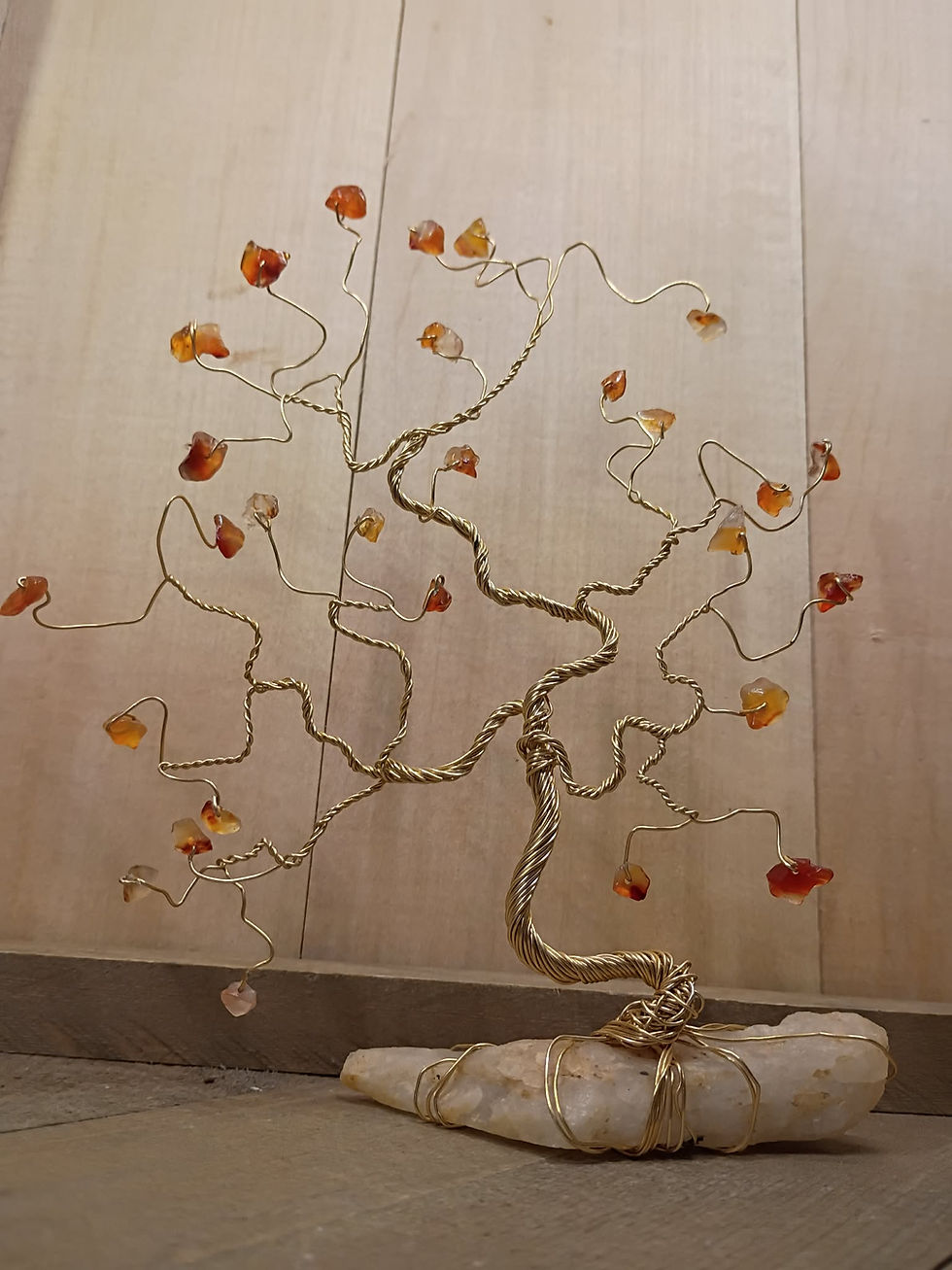
Most attempts never become products. They become experience.
Through repetition, hands learn what instructions can’t teach. Consistency isn’t instant, it’s built through versions no one ever sees. Eventually something works, not perfectly, but reliably, and the process repeats until it can be offered with confidence.
Creation takes time. But creation is only one layer.
Everything Around the Making
Once an item exists, a different kind of work begins.
It must be photographed so someone can understand it without holding it. Described so expectations are clear. Organized so inventory can be tracked. Stored so it stays intact until market day.
Pricing has to be calculated, not guessed, balancing material cost, time, and sustainability so the work can continue. Labels are created. Packaging is prepared. Care instructions are written so what someone brings home lasts longer than the moment it was purchased.
Materials must be restocked before they disappear. Yarn must be rewound and kept clean. Leather conditioned so it doesn’t dry or crack. Wood kept stable so it doesn’t warp. Soaps and candles cured and protected. Fibers kept dry. Metals polished. Glazes checked. Every craft carries its own kind of maintenance long after the making is finished.

Custom requests are discussed and planned. Repairs sometimes done before an item ever reaches a table. Pieces are inspected again and again because offering something to another person carries responsibility.
Displays are planned not just to look nice, but to travel safely and assemble quickly. Tables reinforced, weights prepared, signage printed, and each item placed so visitors can move naturally through the space. A booth isn’t just decoration, it’s a temporary environment built to feel calm and welcoming even though it only exists for a few hours.
None of this happens at the market, yet without it the market could never happen.
By the time a pop-up date arrives, the visible work already rests on hours of invisible effort.
The Day You See
The day itself begins earlier than most people realize.
Tables, racks, and stands come out of storage. Products are wrapped so they survive travel. Vehicles are packed carefully, not casually loaded, but arranged with intention so everything fits and nothing breaks.

Vendors arrive to empty ground and turn it into a temporary place. Fabrics are straightened, displays adjusted, items spaced so they can be comfortably seen and touched. For a few hours, it feels natural, calm displays, easy conversations, smiles exchanged between strangers, small stories shared over objects held in hand.
People wander, ask questions, laugh, remember something the item reminds them of, choose gifts for someone they care about. The space flows. Nothing feels rushed. Nothing feels complicated.
And that is not accidental.
The layout, the pacing, the way items are presented, even the atmosphere of the booth is carefully shaped so visitors can simply enjoy being there. The intention is that the fun is felt, while the work behind it fades into the background.
Then it all disappears again. After the event closes, everything is packed, unloaded, sorted, counted, and stored so the cycle can continue.
The public part lasts a day and the private part surrounds it all.
The Community You Don’t Notice
Markets don’t simply appear.
Long before the tents go up, applications are submitted, sometimes weeks or months ahead, and schedules are coordinated so dozens of small businesses can share one space without conflict. Hosts review vendors, plan layouts, and balance the types of goods so the market feels varied and welcoming rather than repetitive.
Licenses and permits must be in place. Vendors carry seller permits, insurance, and other permits when necessary. Depending on the event, health guidelines and fire safety rules must be followed so the space remains safe for everyone attending. None of this is visible during the event, but all of it allows the event to exist.
Then comes the promotional collaboration. Vendors share announcements, spread the word, invite their communities, and help bring people together. A market isn’t just organized by one person, it’s supported collectively by many people choosing to participate and help it succeed.

On the day itself, spacing booths, managing flow, and arranging entrances and walkways ensures people can move comfortably through the space. Vendors adjust displays and placement so the environment feels natural instead of crowded.
When it works well, nobody notices and that’s the goal.
Good preparation looks like ease.
So the question naturally follows... What actually makes work 'real'?
Is it a guaranteed paycheck?
Very little about building anything of your own, a skilled profession or your own business, comes with guarantees. Effort is invested before outcomes exist. Time is given before results appear.
Attorneys prepare cases without knowing the ruling.
Contractors bid jobs they may not win.
Farmers plant without knowing the season.
Commission workers spend hours helping someone who may never purchase.
Uncertainty isn’t the absence of work, it’s often part of the responsibility of it. Part of the work is learning to carry that uncertainty and continue anyway.
Is it exhaustion?
There are seasons in every profession where energy stretches thin; preparation, revision, practice, setup, cleanup, and beginning again. The work doesn’t always follow a clock, but the time is still given.
Nurses finish shifts long after their bodies ask for rest.
Tradespeople work until the job is safe, not convenient.
Emergency crews stay until the situation is stable.
Pop-up vendors pack their vehicles, set up, spend the day sharing their work, then break it down, drive home, and begin again, often before and after the public ever sees it.
The form changes, but the giving of energy is the same. Consistency often matters more than intensity.
Is it difficulty?
Most meaningful skills look simple only after they’ve been repeated enough times to become quiet in the hands of the people who do them. What appears effortless is usually the result of many attempts no one ever sees.
Chefs plate dishes after years of ruined recipes.
Mechanics diagnose problems by remembering hundreds they’ve already solved.
Pilots train for situations they hope never happen.
Musicians rehearse passages long after they can already play them.
Craft workers refine a process until the motion becomes natural.
Ease is often practiced, not granted.
So what actually makes work real?
Is it a supervisor? A time clock? A paycheck you can predict? If that were the definition, anyone self-employed wouldn’t be working at all.
We think the idea of “real work” has always been a fragile one. Work is responsibility given form. Effort offered to something that depends on you, whether that’s a service, a system, a craft, or a community. The category doesn’t make it real. The commitment does.
We think creative work often confuses the definition because it can look enjoyable from the outside. And it is. But enjoyment and effort have never been opposites. A garden can be peaceful and still require tending, music expressive and still require rehearsal, writing freeing and still require revision. The presence of joy doesn’t remove the presence of labor any more than the presence of labor removing joy.

Real work isn’t defined by how heavy it appears, but by stewardship, the quiet willingness to return, refine, and care for something over time so others can experience it simply. Every path carries many roles at once: learner, problem-solver, organizer, communicator, caretaker of details, each part working continuously so the final experience can feel natural and human.
Creative work doesn’t replace labor with fun, nor is it the absence of labor. It weaves the two together into something that can feel effortless, even though the effort is built into both the piece and the experience. It not easier work, just work where the care becomes visible. And honestly, that’s what makes it so beautiful.
The Work Behind the Pop-Up
What you see at a market is only a small part of the work.
Behind a few relaxed hours exists learning, failed attempts, material sourcing, preparation, logistics, coordination, maintenance, promotion, and repetition, much of it happening long before and long after anyone arrives. The goal is never to display that effort, but to shape an experience where others don’t have to feel it.
Because work isn’t defined by a paycheck, exhaustion, or how difficult it appears. It’s defined by responsibility, the steady commitment to care for something that depends on you and to keep showing up for it over time. Creative work can look like enjoyment, not because the labor is missing, but because it has been woven into the result so completely that it feels natural. And when the experience feels natural, the work is already done.


Comments